
What High-Performing Boards Do Differently
Let me ask you a question — and be honest.
At your last board meeting, how much time was actually spent on strategy? Not reviewing reports, not debating operations, but real strategy. The kind of discussion that shapes a school’s next decade, not just its next semester.
If you’re like most boards I’ve worked with, the answer is: not enough. And that gap — between where your board spends its time and where it should — tells us something important about the state of governance right now.
Good Boards vs. Great Ones
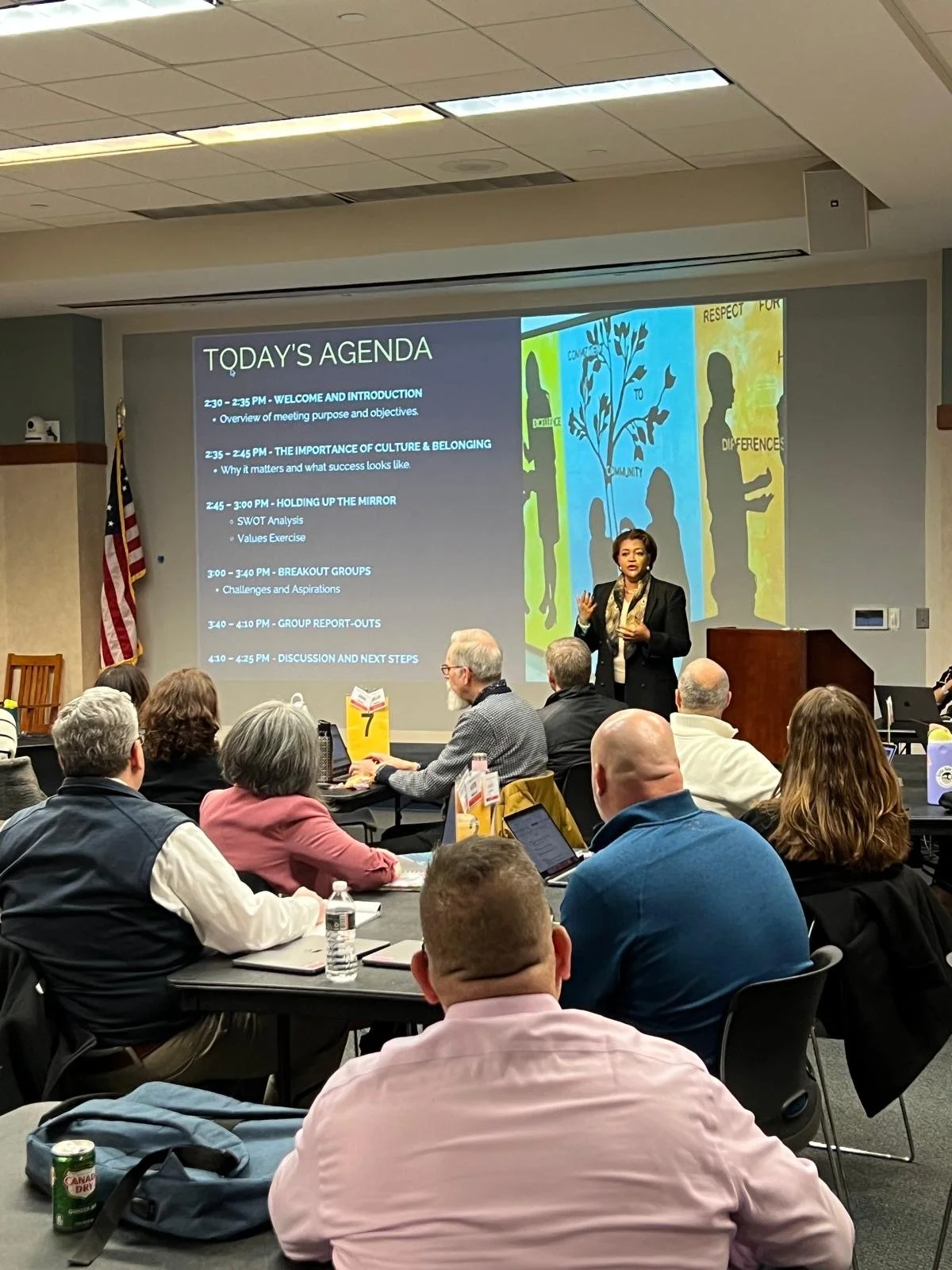
Leilani M. Brown, Giant Steps, LLC
Most boards are full of smart, committed people doing their best. That’s not the problem. The problem is that good intentions don’t automatically produce strong governance. And in a moment of relentless complexity — shifting political winds, economic uncertainty, leadership turnover, legal disruption — the distance between a good board and a high-performing one has real consequences.
I’ve seen those consequences up close. In my work with independent schools, nonprofits, and higher education institutions — and through my own experience as a board member and governance consultant — I’ve watched what happens when governance performance is strong. The conditions for everything else improve. Heads are supported. Institutions stay resilient. Communities trust the people at the table.
And I’ve seen what happens when it’s missing. The cost is real: lack of readiness, loss of engagement, erosion of trust, and decisions that protect comfort instead of advancing mission.
Excellence Isn’t Accidental
Here’s what I’ve come to believe: high-performing boards aren’t lucky. They aren’t just populated by better people. They’ve built habits — specific, intentional practices around how they plan, how they hold themselves accountable, and how they manage the tensions that come with the territory.
Those habits aren’t exotic. But they are rare. And the boards that have them look fundamentally different from the ones that don’t — in the quality of their meetings, in the strength of their leadership partnerships, and in their readiness for whatever comes next.
What I’ve Seen the Best Boards Do
After 25 years of board service and governance work, I keep seeing the same patterns in the boards that perform at the highest level. Here are five that show up consistently.
1. They protect strategy time ruthlessly. High-performing boards dedicate at least half of every meeting to forward-looking strategic discussion — not operational updates. Reports get distributed in advance. Meeting time is for decisions, not downloads. When a board spends 80% of its time reviewing what already happened, it has no capacity left to shape what happens next.
2. They evaluate themselves — honestly. Annual board self-assessments aren’t just a checkbox. The best boards use structured evaluations to surface what’s working, what isn’t, and where individual members can contribute more. Then they act on the results. A board that never evaluates itself is a board that never improves.
3. They separate governance from management. This sounds obvious, but it’s where most boards struggle. The board’s job is oversight, strategy, and accountability. The head’s job is execution. When those lines blur — and they do, especially in schools with parent-trustees — trust breaks down on both sides. The best boards I’ve worked with have clear, shared language for where governance ends and management begins.
4. They invest in succession planning before they need it. The boards caught off guard by a leadership departure are the ones that never built a pipeline. High-performing boards maintain a succession framework that includes emergency, interim, and long-term scenarios — and they review it annually. It’s not about expecting the worst. It’s about being ready for what’s next.
5. They build a culture of candor. Collegiality should not come at the expense of constructive debate. The best boards create space for dissent, ask hard questions respectfully, and make decisions they can collectively stand behind — even when they disagree. A boardroom where everyone nods along is a boardroom where nobody is really governing.
None of these are revolutionary. But the gap between knowing them and doing them is where governance performance lives.
The question isn’t whether your board can get there. It’s whether you’re willing to name what needs to change.
Bring This Conversation to Your Board
This is a topic I care deeply about — and one I’ve built a signature keynote around.
What High-Performing Boards Do Differently is a session designed for independent school leaders, trustees, and board chairs who want to move from good governance to great governance. It focuses on three key areas where stronger board practices make a meaningful difference:
• Balancing long-term strategic vision with urgent, short-term decision-making
• Designing and deploying meaningful performance and accountability systems — for the board and the head of school
• Navigating the dual identity of parent-trustees with integrity and institutional focus
Participants walk away with practical approaches and governance practices that support stronger board performance and contribute to sustained institutional success.
I am available for keynotes, board retreats, workshops, and facilitated governance sessions. If this resonates with where your board is — or where you want it to be — I’d welcome the conversation.
______________________________________________________________________________________________________________________________
Leilani Brown is the Founder and CEO of Giant Steps, LLC, a strategic advisory firm working at the intersection of governance, leadership, culture, and organizational effectiveness. She has more than 25 years of board governance experience, including serving as Vice Chair of Middlebury College, and holds a Directorship Certification from the National Association of Corporate Directors (NACD). She is the author of three books and hosts Giant Steps with Leilani Brown, a podcast exploring the pivotal decisions that shape meaningful work and lives.
Learn more about our board governance services → giantstepsllc.com/board-governance
Book a speaking engagement → giantstepsllc.com/speaking
Contact us → info@giantstepsllc.com